Is It Legal to Have Security Cameras at Your Georgia Business?
Yes. Georgia law allows businesses to install and operate security camera systems. In fact, video surveillance is widely encouraged for businesses, and many insurance companies offer premium discounts for businesses with professional security camera systems.
However, there are important rules about where cameras can be placed and what they can record.
Where You CAN Install Security Cameras
Georgia businesses can generally install cameras in any area where there is no reasonable expectation of privacy:
Entrances and exits — Front doors, back doors, loading docks
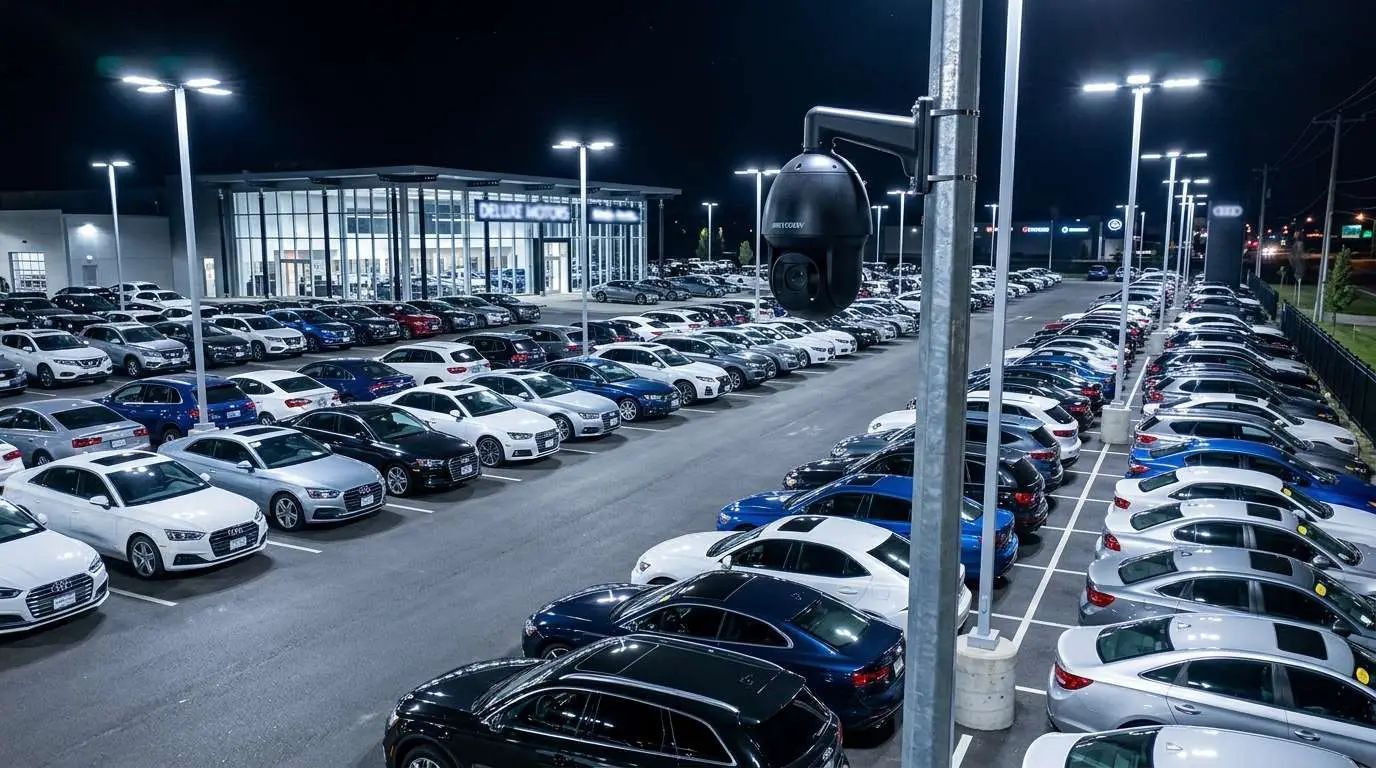
Parking lots — Monitoring vehicles and foot traffic
Retail floors — Shoplifting prevention and incident documentation
Warehouses — Inventory tracking and employee safety
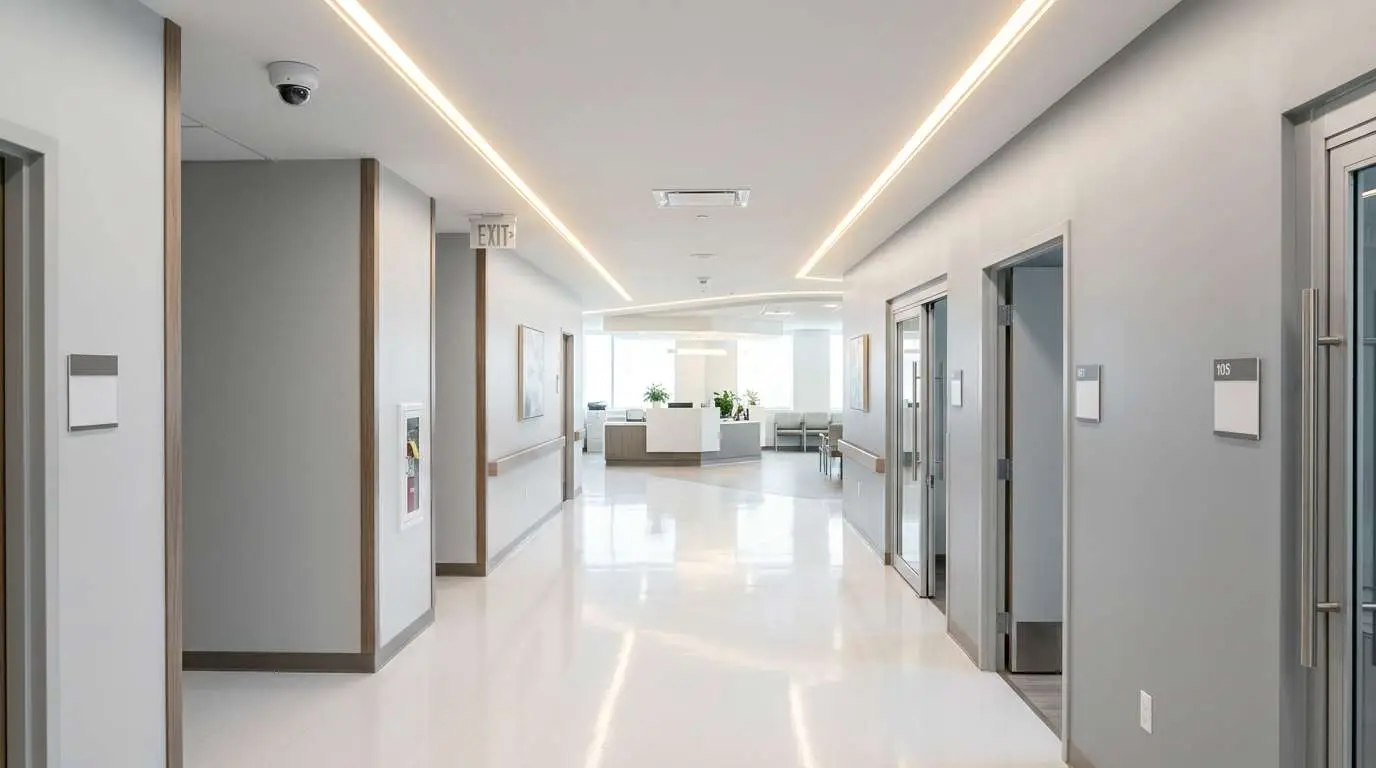
Reception areas and lobbies — Visitor management
Cash registers and POS stations — Transaction verification
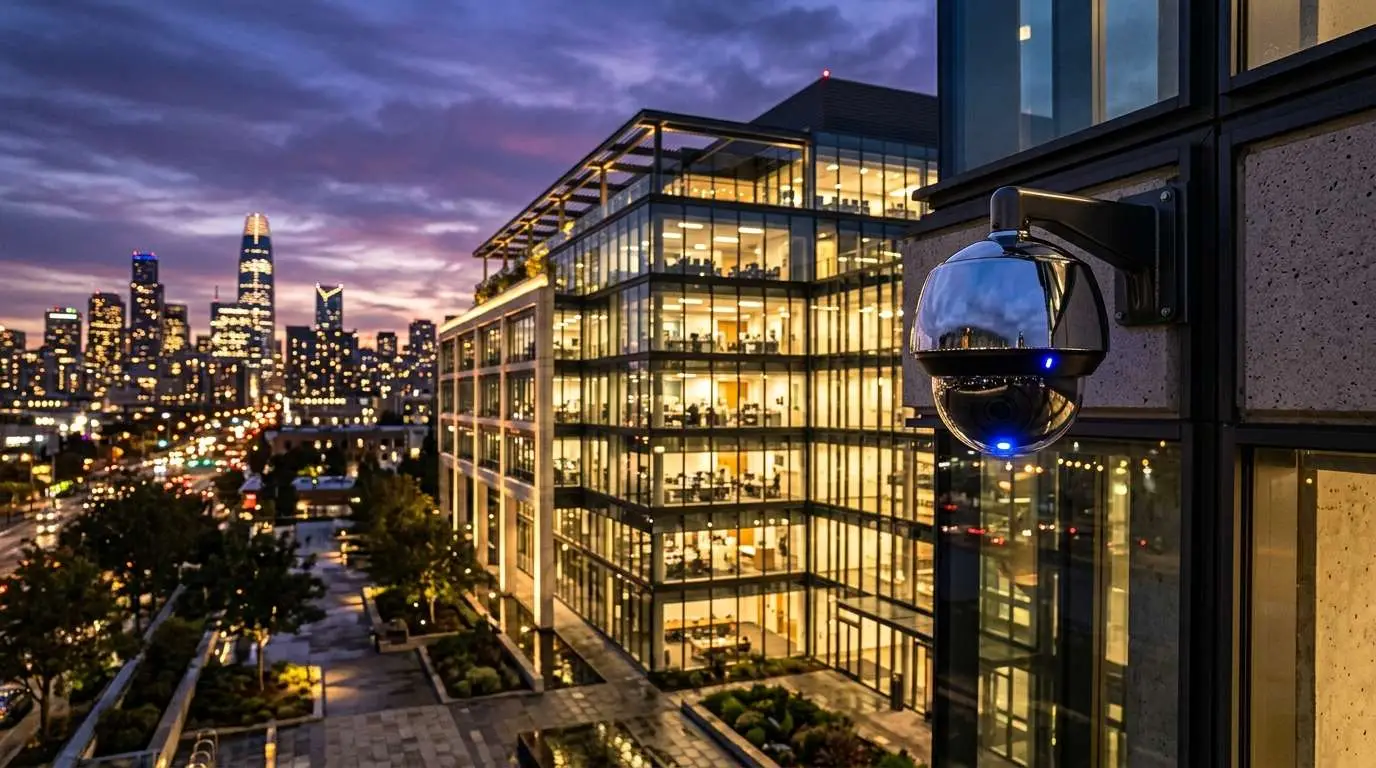
Exteriors — Building perimeters, alleyways, dumpster areas
Common areas — Break rooms (with some caveats), hallways, conference rooms
Where You CANNOT Install Security Cameras
Georgia law (and federal law) prohibits surveillance cameras in areas where individuals have a reasonable expectation of privacy:
Restrooms — This is a criminal offense under Georgia Code 16-11-62
Changing rooms or locker rooms — Any area where people undress
Private offices — If an employee has an enclosed private office with a closed door, surveillance may be restricted
Inside areas not owned or controlled by the business — You cannot point cameras into neighboring properties or private residences
Important: Under Georgia Code 16-11-62, it is a felony to use a camera or recording device in any private place without consent. Violations can result in up to 5 years in prison.
Audio Recording Rules in Georgia
This is where many business owners get into trouble. Georgia has important rules about audio recording that are separate from video surveillance:
Georgia Is a One-Party Consent State
Under Georgia Code 16-11-66, Georgia is a one-party consent state for audio recording. This means:
- You can record a conversation if you are a party to the conversation
- An employee can record their own conversations
- You cannot passively record conversations between other people without their knowledge
- Security cameras with audio that record employee or customer conversations without notice may violate this law
Best Practice for Businesses
If your security cameras have audio recording capability:
- Post visible signage stating that audio and video recording is in use
- Include disclosure in employee handbooks that the workplace is monitored
- Disable audio in sensitive areas where private conversations occur
Employee Privacy Considerations
Georgia doesn’t have a specific state-level employee privacy surveillance law, but federal regulations and common law principles apply:
NLRA (National Labor Relations Act)
- Surveillance cannot be used to monitor or discourage union activities or protected concerted activity
- Camera placement near break rooms or areas where employees discuss workplace conditions may be scrutinized
Best Practices
- Notify employees about camera locations and purposes (include in employee handbook)
- Have a written surveillance policy that employees acknowledge
- Use cameras for legitimate business purposes — security, loss prevention, safety, quality control
- Don’t use cameras punitively — targeting specific employees without legitimate security reasons raises legal risk
Signage Requirements
While Georgia doesn’t explicitly require signage for all business surveillance, posting visible signs is strongly recommended and legally protective:
- Signs create implied consent — customers and visitors are notified before entering
- Signs deter theft and crime — visible camera warnings reduce incidents
- Signs satisfy the notification requirement for audio recording compliance
Recommended signage language:
“These premises are under 24-hour video and audio surveillance for the safety and security of our customers and employees.”
How Long Should You Keep Footage?
Georgia doesn’t mandate a specific retention period for most businesses, but industry standards recommend:
| Business Type | Recommended Retention |
|---|---|
| Retail | 30 – 90 days |
| Financial institutions | 90 – 180 days |
| Healthcare | 90 days minimum |
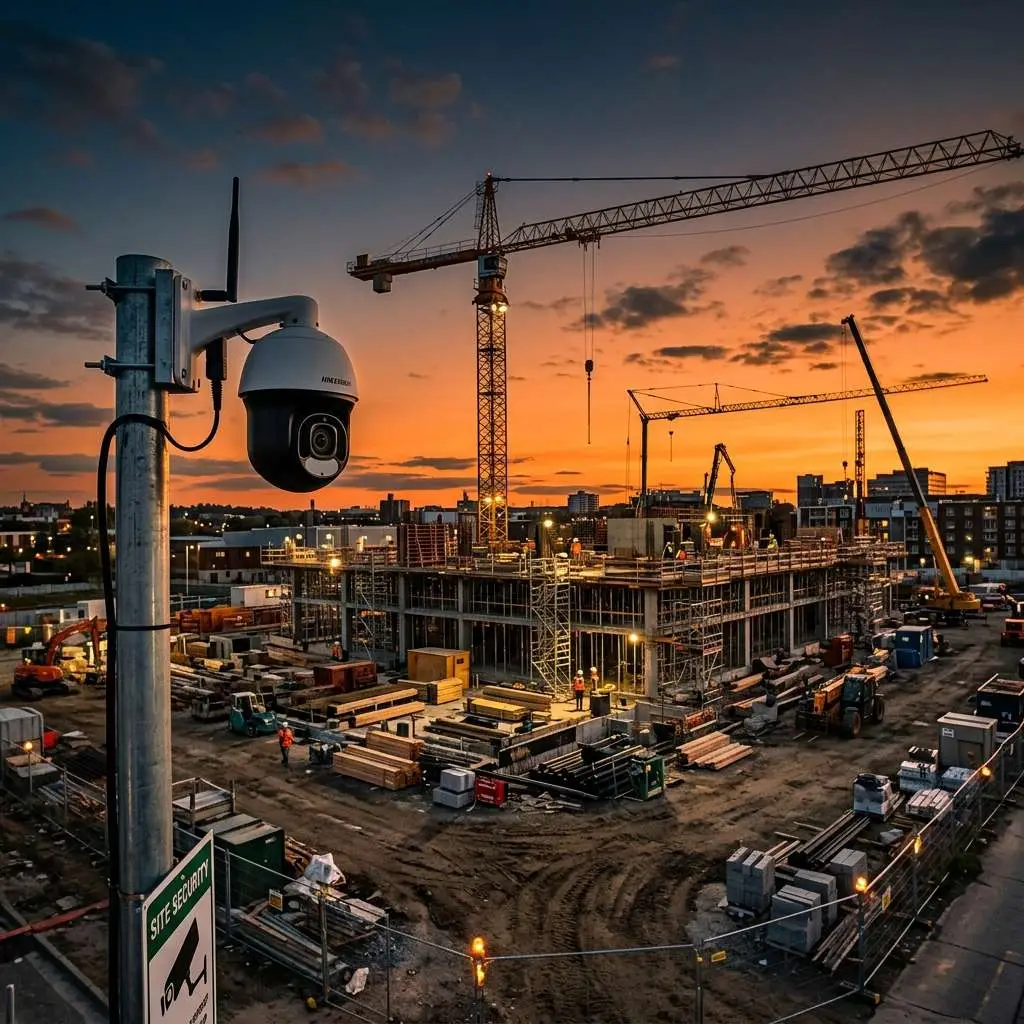
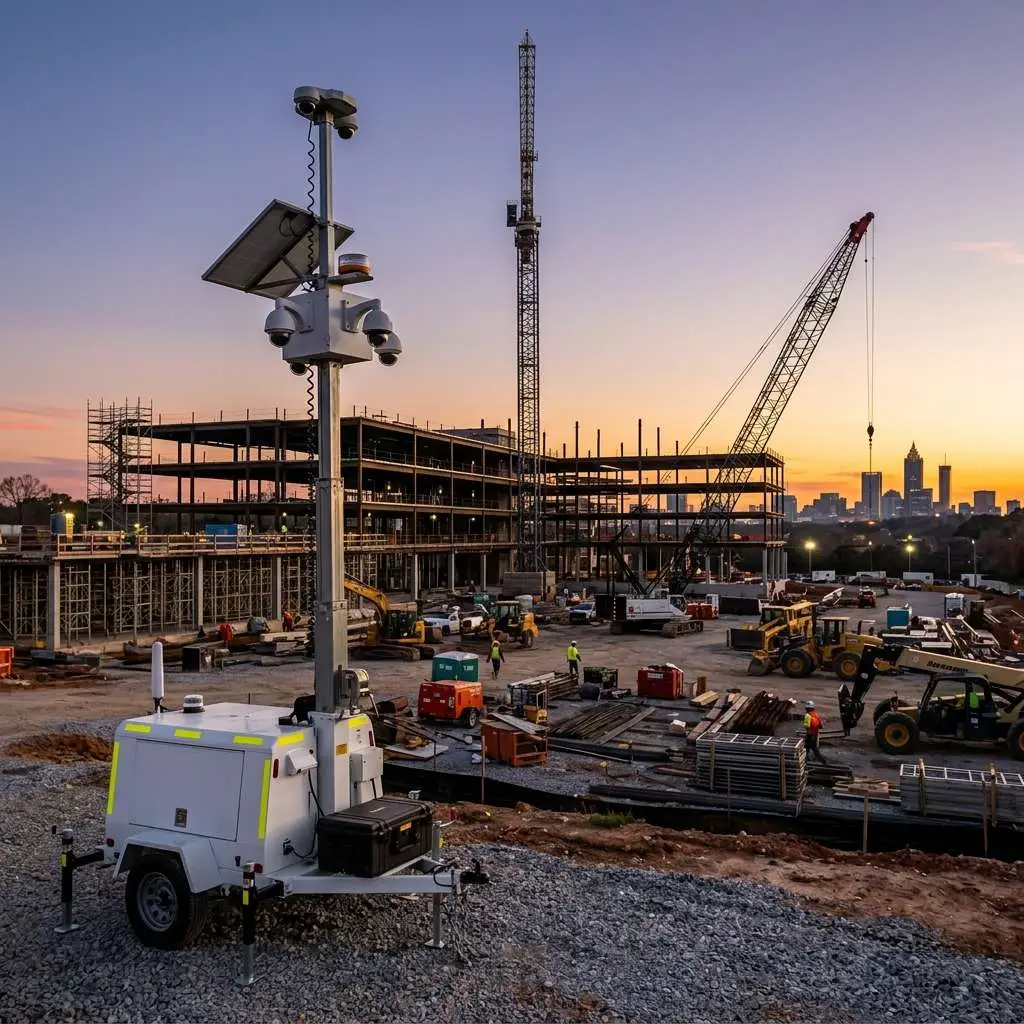
| Construction sites | Duration of project + 30 days |
| General commercial | 30 – 60 days |
Important: If you are aware of an incident (theft, assault, slip-and-fall), you should preserve that footage immediately regardless of your standard retention policy. Failure to preserve relevant footage after an incident could create legal exposure.
How Edge CCTV Helps You Stay Compliant
When Edge CCTV designs your security camera system, compliance is built into every installation:
Strategic camera placement that avoids privacy-restricted areas
Audio configuration guidance — we’ll help you decide whether to enable or disable audio recording
Signage provided with every installation
Employee notification templates for your policy handbook
Retention guidance based on your industry and insurance requirements
Need Expert Guidance?
Georgia’s security camera laws are straightforward when you have the right partner. Contact Edge CCTV for a free security consultation that includes compliance guidance specific to your business.
Call us: 678-883-0999
[Schedule a Consultation](https://edgebusinesssecuritycameras.com/professional-security-consultation/)
Disclaimer: This article is for informational purposes only and does not constitute legal advice. For specific legal questions about surveillance at your business, consult with a licensed Georgia attorney.
Edge CCTV serves businesses in Georgia, Alabama, Tennessee, Texas, Florida, South Carolina, and North Carolina. [View all our services.](https://edgebusinesssecuritycameras.com/business-security-camera-systems/)
More in this series
Warehouse Camera Placement|Installation Cost in Atlanta|HOA Camera Rules|What to Expect at Installation
Practical Checklist Before You Install in Georgia
Georgia businesses can usually install security cameras on their own property when they focus on places where people do not have a reasonable expectation of privacy – parking lots, retail floors, warehouses, lobbies, and exterior entrances. Still, a clean install depends on process, not just equipment.
- Post clear notice that video surveillance is in use
- Avoid bathrooms, changing rooms, and other private spaces
- Treat audio recording carefully – many businesses record video only unless counsel approves audio
- Limit live-view access to people who need it for operations or security
- Set retention long enough for typical dispute windows (often 30-90 days) and document who can export clips
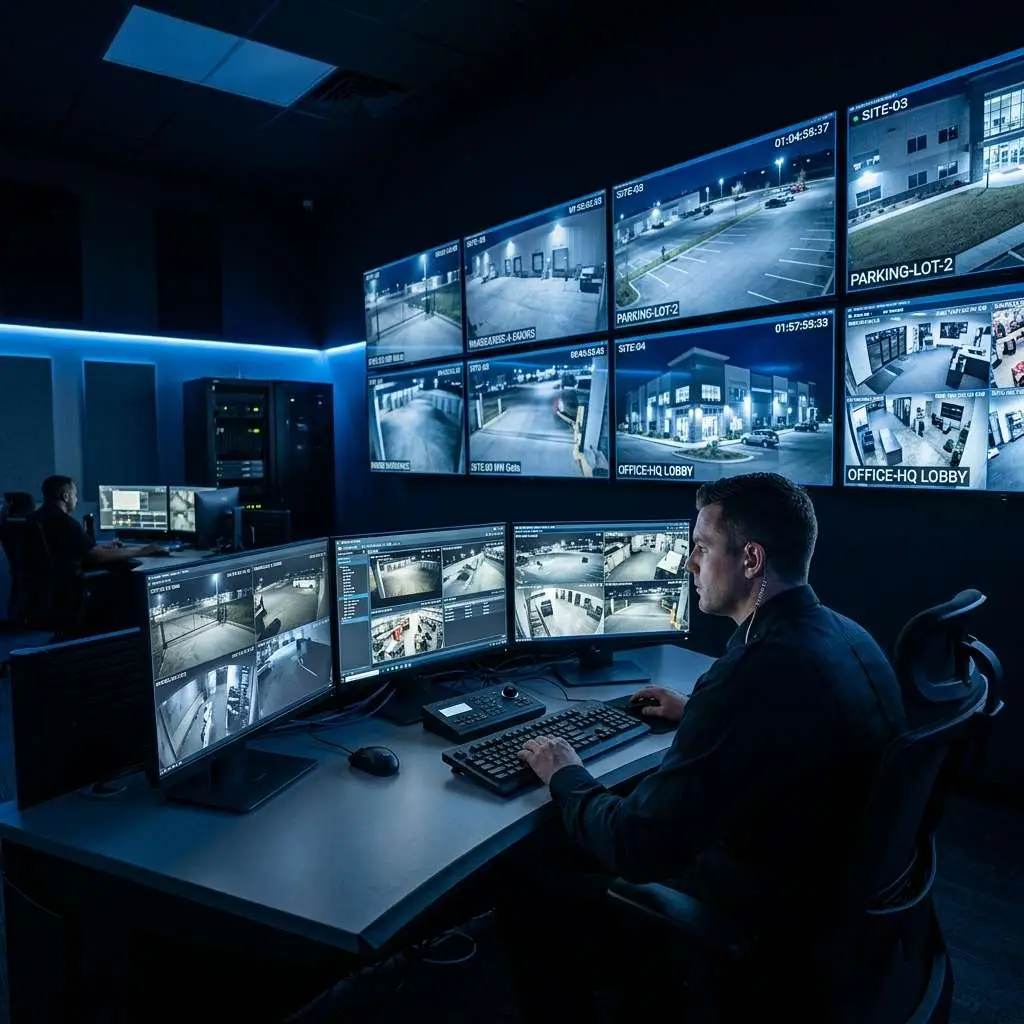
- If you monitor after hours with live operators, write down escalation contacts and call trees
Edge CCTV designs camera placement and policies for Georgia commercial sites so coverage is useful for safety and evidence without creating avoidable privacy risk. For system selection beyond legal basics, continue with the buying guide hub linked below.
Related Guide
Ready to install cameras the right way in Georgia? Commercial Security Camera Installation Guide →
{
“@context”: “https://schema.org”,
“@type”: “Article”,
“headline”: “Security Camera Laws in Georgia: What Business Owners Need to Know”,
“url”: “https://edgebusinesssecuritycameras.com/security-camera-laws-georgia/”,
“datePublished”: “2026-06-03”,
“dateModified”: “2026-06-22”,
“author”: {
“@type”: “Organization”,
“name”: “Edge CCTV”,
“url”: “https://edgebusinesssecuritycameras.com”
},
“publisher”: {
“@type”: “Organization”,
“name”: “Edge CCTV”,
“url”: “https://edgebusinesssecuritycameras.com”,
“logo”: {
“@type”: “ImageObject”,
“url”: “https://edgebusinesssecuritycameras.com/wp-content/uploads/2025/10/Edge-Logo-696×696-1.webp”
}
},
“mainEntityOfPage”: {
“@type”: “WebPage”,
“@id”: “https://edgebusinesssecuritycameras.com/security-camera-laws-georgia/”
}
}

About the Author
Kevin Harkins is the Director of Sales at Edge CCTV, where he has spent 10 years helping business owners design and implement commercial security camera systems across Atlanta, Birmingham, Chattanooga, and beyond. Starting as an Outside Sales Representative and working his way up through Sales Manager to Director of Sales, Kevin has guided hundreds of businesses through the process of evaluating, specifying, and installing the right system for their facility. More from Kevin Harkins.
Looking for an overview of business security cameras for commercial properties? Start on our homepage, then compare designed packages on business security camera systems.