In This Guide
When most business owners think about security cameras, they think about one thing: catching thieves. Theft deterrence is a real benefit — but it barely scratches the surface of what a modern video surveillance system can do for a business.
From employee accountability and safer closing procedures to insurance leverage, liability defense, and operational insight, the return on a well-designed camera system goes far beyond basic security. This guide consolidates every major benefit into one place so you can decide whether cameras are a cost — or a growth and risk-control tool.
If you are still comparing system types and features, start with The Complete Guide to Buying Business Security Cameras, then come back here to map the business case.
The Obvious Benefits: Security and Protection
1. Theft Deterrence
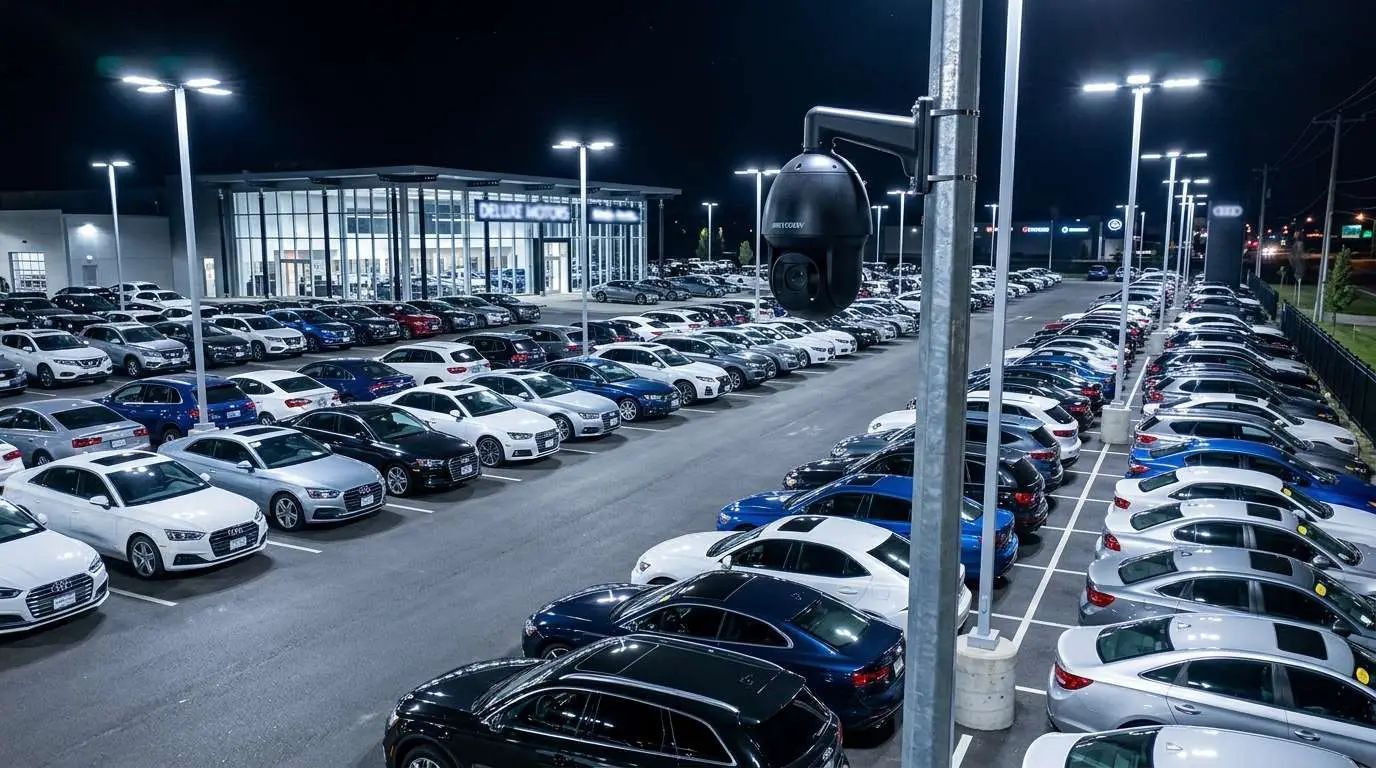
Visible security cameras are one of the most effective crime deterrents available. Placed at entrances, exits, cash areas, and high-value zones, cameras send a clear message: this business is watching.
Retail theft and inventory shrinkage cost U.S. businesses billions of dollars every year. Employee theft remains a major driver of loss for many organizations. Opportunistic thieves prefer soft targets — when they spot cameras, your location often moves down their list.
Deterrence works best when cameras are obvious at decision points (doors, parking lots, registers) and paired with signs that surveillance is in use.
2. Loss Prevention Beyond Theft
Loss is not always intentional theft. Deliveries go missing. Counts do not match. Merchandise leaves unpaid. Tools walk out with contractors. Cameras at receiving docks, stockrooms, and POS areas help you see where gaps happen so you can fix process — not just blame people after the fact.
3. Crime Evidence and Dispute Resolution
When an incident happens — break-in, vandalism, alleged theft, or a customer claim — recorded video is often the difference between a guess and a defensible response:
- Police reports: Clear footage improves investigation quality and follow-through
- Insurance claims: Evidence speeds documentation and supports accurate claim review
- Liability disputes: Footage can confirm or refute what actually occurred on your property
- Internal investigations: Objective video cuts through conflicting accounts
Employee-Related Benefits
4. Accountability and Productivity
Cameras in work areas create accountability without requiring a manager on every floor. Most teams perform better when expectations are clear and observable — especially at opening, closing, and cash handling. Remote viewing also lets owners check operations while traveling or managing multiple sites.
Used correctly, surveillance is a fairness tool: it protects strong employees from false accusations as much as it discourages poor habits.
5. Safer Culture and Harassment Deterrence
Common-area monitoring reduces opportunities for harassment, bullying, and unsafe behavior. If something does occur, video supports HR investigations, protects against false claims, and demonstrates that leadership took workplace safety seriously.
6. Employee Safety After Hours
Staff working late, handling cash, or walking to vehicles benefit from exterior and entrance coverage:
- Visible cameras discourage aggressive behavior at the counter
- Parking and exit coverage gives context before someone walks out alone
- Incident footage documents workplace injuries and workers’ compensation facts
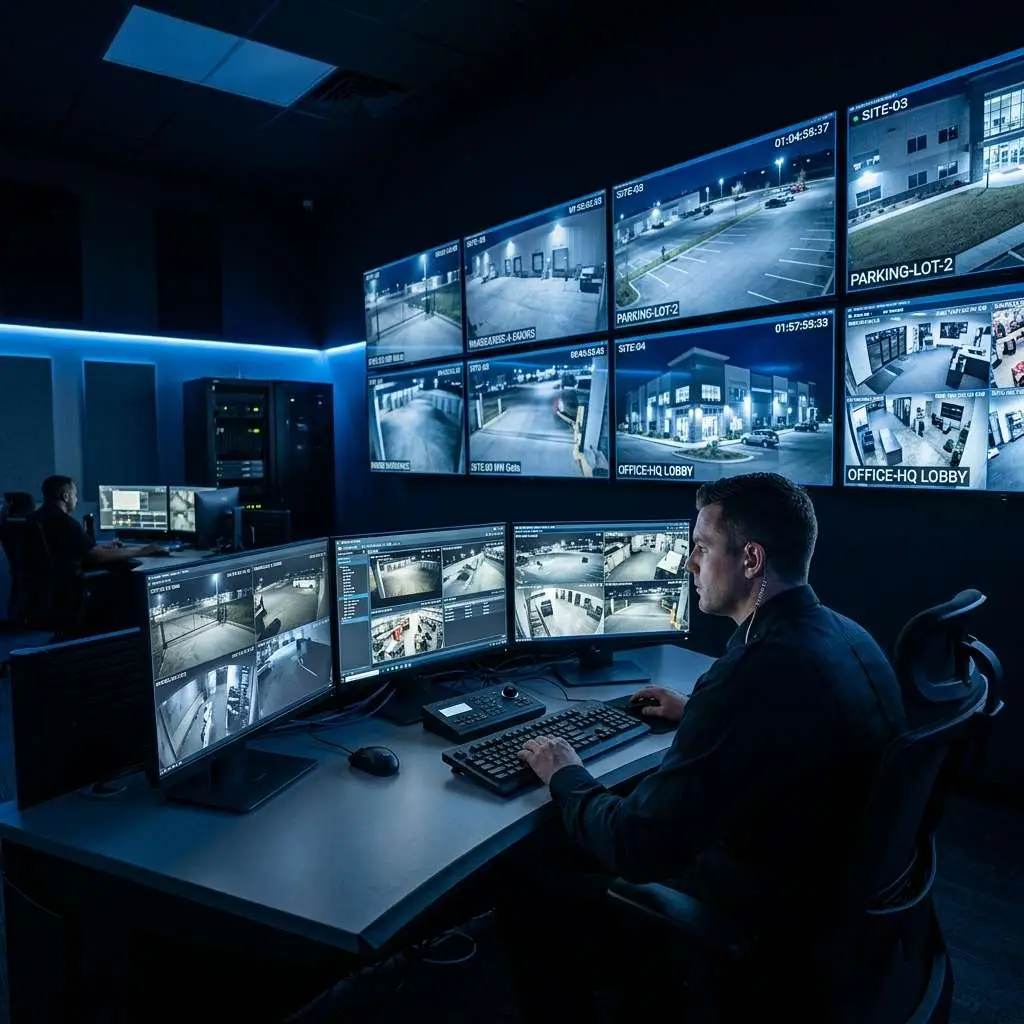
- Paired with virtual guard monitoring, live operators can intervene with two-way audio when a threat appears
7. Training and Performance Coaching
Footage is a practical training library. Review peak-hour clips to coach customer service, spot bottlenecks, reinforce safety procedures, and share what your best performers do differently — without relying on memory alone.
Financial Benefits
8. Insurance Leverage
Many carriers view documented video surveillance as a risk-reduction control. Depending on your policy and industry, a professional system can support better terms or renewals. Cameras also shorten claim cycles when footage is exportable and time-synced — reducing administrative drag after an incident.
For many owners, multi-year premium and claim savings offset a meaningful share of system cost. Pair this section with our security camera ROI guide when you need a board-ready justification.
9. Reduced Liability Exposure
Slip-and-falls, injury claims, and property disputes are expensive. Without video, outcomes often hinge on conflicting stories. With time-stamped footage, you can show what happened, what did not happen, and whether your team followed posted procedures.
Operational Benefits
10. Real-Time Remote Monitoring
Modern IP systems put live and recorded video on your phone, tablet, or laptop. That matters if you:
- Manage more than one location
- Travel frequently
- Want after-hours visibility without driving back to the site
- Need faster response when an alert fires
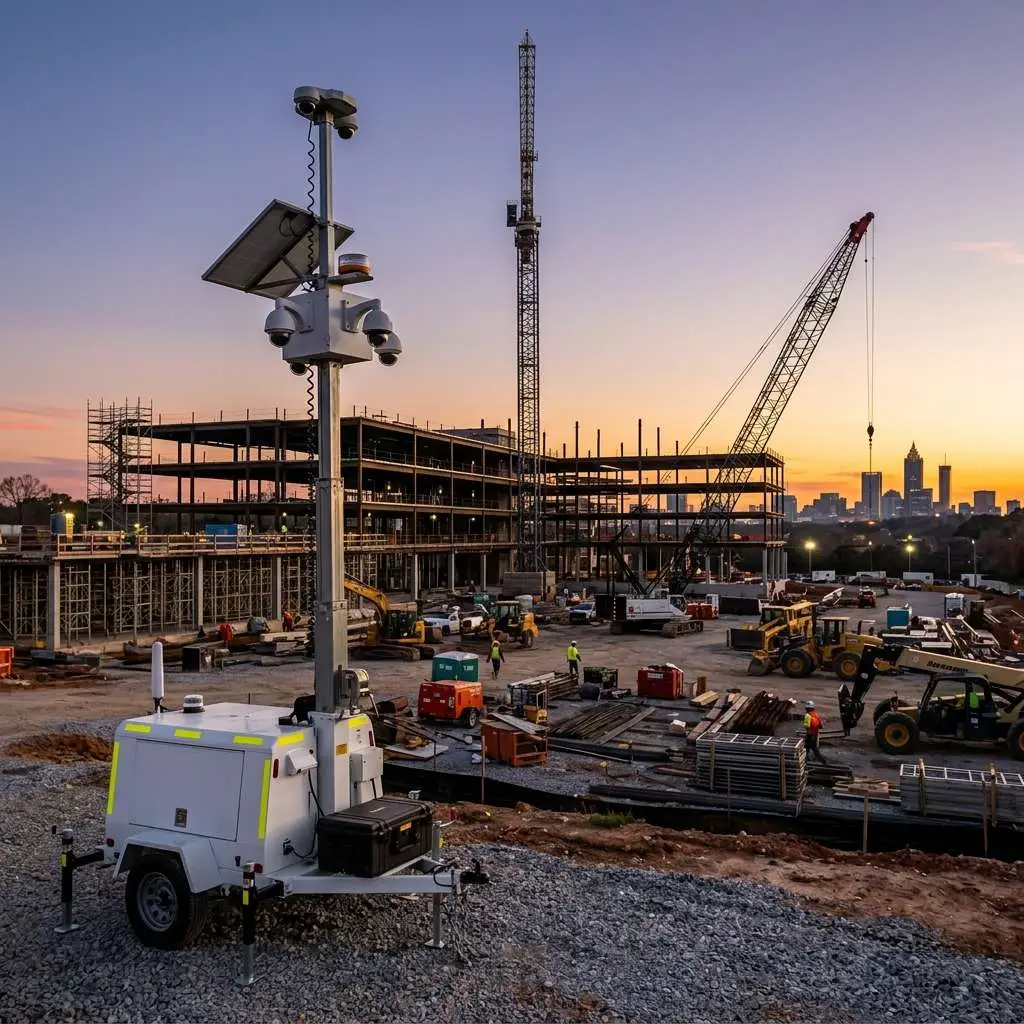
Add mobile trailers or virtual guard coverage when a facility is vacant, under construction, or too risky for a physical guard overnight.
11. Customer Experience Insights
Your cameras already capture shopping and queue behavior:
- Traffic flow: which aisles and zones get foot traffic — and which are ignored
- Browse patterns: what displays pull attention versus get walked past
- Layout fixes: bottlenecks, dead zones, and blocked sightlines
- Staffing: true peak times for registers and service counters
- Friction: long lines, confusing paths, or hard-to-find products
Large retailers pay heavily for similar insight. A business camera system often captures enough signal to improve merchandising and staffing at no extra analytics SaaS cost.
12. Day-to-Day Operational Control
Beyond customers, video helps tighten operations:
- Peak-hour workflow inefficiencies
- Loading dock and delivery schedule discipline
- Opening and closing procedure compliance
- Food safety / hygiene process checks where cameras are appropriate
- Equipment and restricted-area access awareness
Customer Trust and Brand Benefits
13. A Safer Atmosphere
In retail, restaurants, fitness, medical, and other dwell-heavy environments, visible security communicates that guest safety matters. People are more comfortable lingering — and more likely to return — when a space feels supervised without feeling hostile.
14. Professional Credibility
Clean, intentional camera coverage signals a professional operation. For client-facing offices, high-value retail, and multi-site brands, that infrastructure quietly reinforces trust before a word is spoken.
The ROI of Security Cameras: By the Numbers
Stack the benefits and the financial case usually clarifies quickly:
| Benefit Category | Typical Business Impact |
|---|---|
| Theft / shrinkage reduction | Meaningful loss reduction — often thousands to tens of thousands per year depending on industry and volume |
| Insurance and claims | Better documentation; possible premium or renewal leverage |
| Avoided liability | One defeated fraudulent claim can exceed the cost of a full system |
| Productivity / accountability | Fewer process gaps at open, close, and cash handling |
| Operations insight | Staffing and layout gains from real foot-traffic patterns |
Most businesses recover system cost within the first year when they measure loss prevention, claim defense, and operational gains together — not camera price alone.
Ready to size a system? Explore business security camera systems or map cost drivers in our buying and cost guides.
Benefits by Industry
The same camera system delivers different ROI depending on how your business operates. Here is how the benefits usually show up by industry:
Retail and Convenience
Retail wins on shrink control, cashier accountability, and dispute resolution at the register. Entrance and exit coverage captures who came in with empty hands and who left with merchandise. Aisle and stockroom views close the gap between sales, deliveries, and inventory counts. Many retailers also use footage to decide staffing for weekend peaks and to redesign layouts that customers consistently skip.
Restaurants and Bars
Food businesses gain on cash and liquor control, dining-room incidents, kitchen process visibility, and parking-lot after-hours risk. Cameras help managers coach service quality, document walkouts, and protect staff during late closes. Kitchen coverage should respect hygiene and privacy expectations while still making food-handling accountability possible.
Warehouses and Distribution
Loading docks, yard gates, and high-value cage areas are the usual ROI zones. Cameras reduce cargo theft risk, document carrier disputes, and clarify who accessed racking or returns areas. Paired with access control at employee entrances, warehouses get both perimeter and interior accountability.
Construction and Temporary Sites
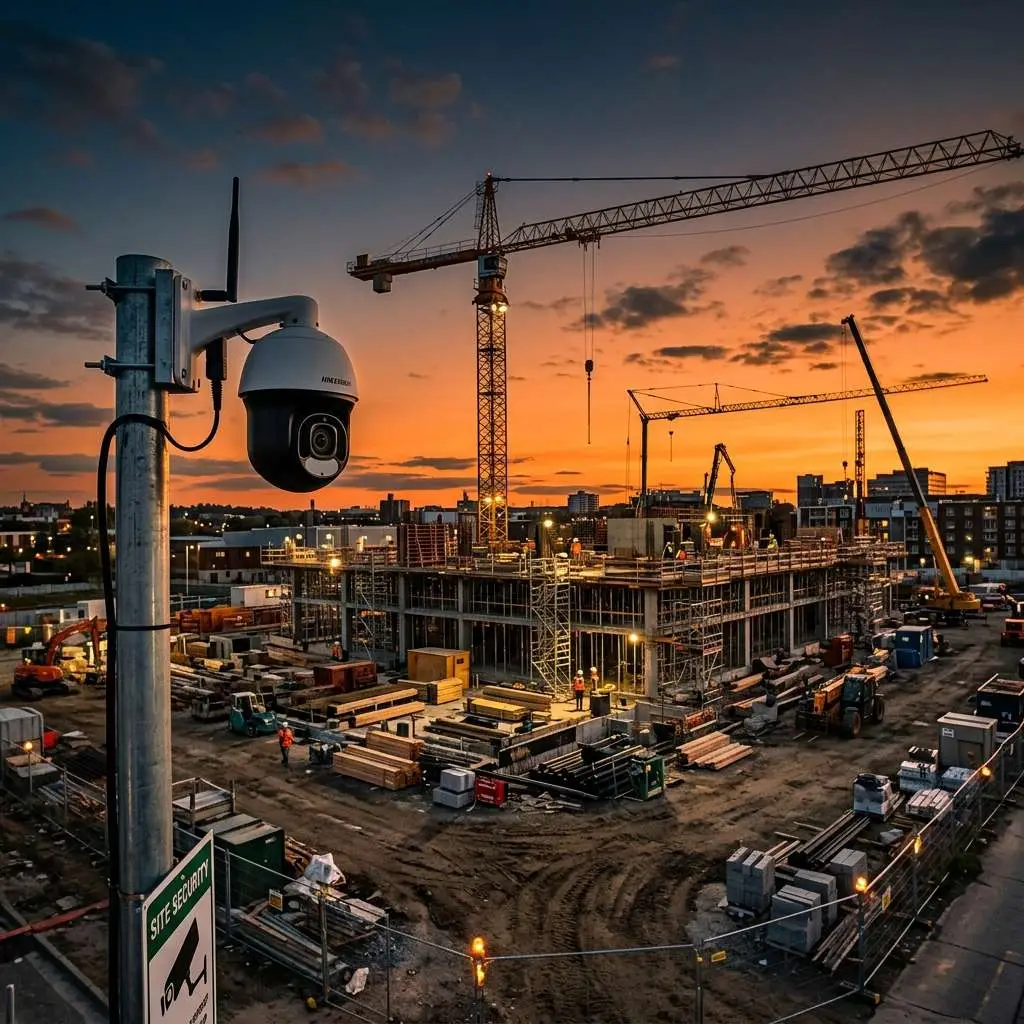
Job sites change weekly, so fixed-only designs often fail. Mobile surveillance trailers and temporary cameras protect materials overnight when fencing alone is not enough. The benefit here is theft deterrence plus evidence after copper, tools, or equipment disappear — losses that can erase a project margin overnight.
Multifamily, HOA, and Hospitality
Common-area coverage improves resident and guest confidence, documents parking and package disputes, and supports property managers when reviewing incident reports. The business benefit is fewer unresolved conflicts, better insurance conversations, and a stronger selling point for prospect tours.
Cameras, Guards, and Virtual Guard — How Benefits Stack
Owners often ask whether cameras replace guards. The practical answer: they solve different jobs, and the highest-ROI designs mix them intentionally.
- Record-only cameras deliver evidence, training footage, and after-the-fact investigations. They deter some crime but do not interrupt an active break-in.
- On-site guards provide human presence and physical response, at a high recurring cost and with coverage gaps during breaks or single-post shifts.
- Virtual guard / live monitoring uses your camera feeds plus trained operators who can talk down intruders with two-way audio and escalate to police when needed — often at a fraction of overnight guard cost.
If your main benefit target is prevention during vacant hours, cameras plus live response usually outperform cameras that only record. If your main target is daytime operational insight and dispute protection, a solid NVR system with good placement may be enough. Edge CCTV designs for both cases and for hybrids across multi-site portfolios. See the full cost comparison in our virtual guard vs. on-site guard guide.
What Limits Camera ROI (And How to Avoid It)
Not every installation pays off. The usual failure modes are predictable:
- Blind spots at doors and registers — the highest-value angles get skipped to save a camera
- Soft lighting and dirty lenses — useless night footage kills evidence value
- Retention too short — incidents discovered after overwrite windows leave you empty-handed
- No one reviewing exceptions — alerts ignored means deterrence and accountability benefits never show up
- Consumer kits in commercial spaces — Wi-Fi dropouts and weak outdoor housings create reliability gaps
Avoid those traps with a site survey, PoE network design, retention sized to your incident timeline, and a written review habit (daily exception check + weekly clip sample). That operational layer is where soft benefits — training, staffing, layout — turn into dollars.
How to Build the Business Case Internally
If you need finance or ownership approval, frame the request in three buckets rather than camera count:
- Risk reduction: estimated shrink, after-hours exposure, and claim frequency for your industry and site type
- Hard cost offsets: insurance conversations, reduced guard hours, fewer fraud payouts, fewer unexplained missing deliveries
- Soft gains: coaching, staffing accuracy, customer experience fixes visible on video
Bring one photo of each proposed camera view (or a marked floor plan), a retention recommendation, and a monitoring option if nights are your weak point. Decision-makers approve concrete coverage more readily than a generic equipment quote. For pricing context, use the 2026 business security camera cost guide alongside this benefits page.
Frequently Asked Questions
Do security cameras really reduce theft?
Yes when they are visible at decision points, paired with good lighting and procedures, and reviewed after incidents. Cameras alone are not magic — coverage quality and follow-up habits matter.
Will employees hate being on camera?
Most pushback fades when leadership explains purpose (safety, dispute protection, not gotcha games), covers common and high-risk areas rather than private spaces, and applies policy evenly.
Is remote monitoring worth adding?
If your risk is after-hours intrusion, vacant property, or construction theft, live monitoring with audio deterrence often outperforms a camera that only records for later review.
Getting Started
Security cameras pay off across protection, people, finance, operations, and brand trust — not just “catching bad guys.” Edge CCTV designs and installs commercial systems across Atlanta, Marietta, Birmingham, Chattanooga, Jacksonville, and surrounding markets. We size coverage to your building, risk, and budget — then connect it to monitoring or trailers when your use case needs more than record-only video.
Schedule a free consultation to map which benefits matter most for your site. Call 678-883-0999 or contact us online.
Related Guide
Ready to choose the right system? The Complete Guide to Business Security Camera Systems →

About the Author
Kevin Harkins is the Director of Sales at Edge CCTV, where he has spent 10 years helping business owners design and implement commercial security camera systems across Atlanta, Birmingham, Chattanooga, and beyond. Starting as an Outside Sales Representative and working his way up through Sales Manager to Director of Sales, Kevin has guided hundreds of businesses through the process of evaluating, specifying, and installing the right system for their facility. More from Kevin Harkins.